LoginTalk to us
HomeContentsIntroductionMechanicsTrendsBest PracticesKPIsFuture
AppSamurai Handbook

Rewarded Playtime

Engage, Retain, Monetize in Mobile Gaming

How rewarded playtime works, the market data behind it, campaign strategy for casual, mid-core, and hybrid-casual games, and the KPIs that separate winners from underperformers.

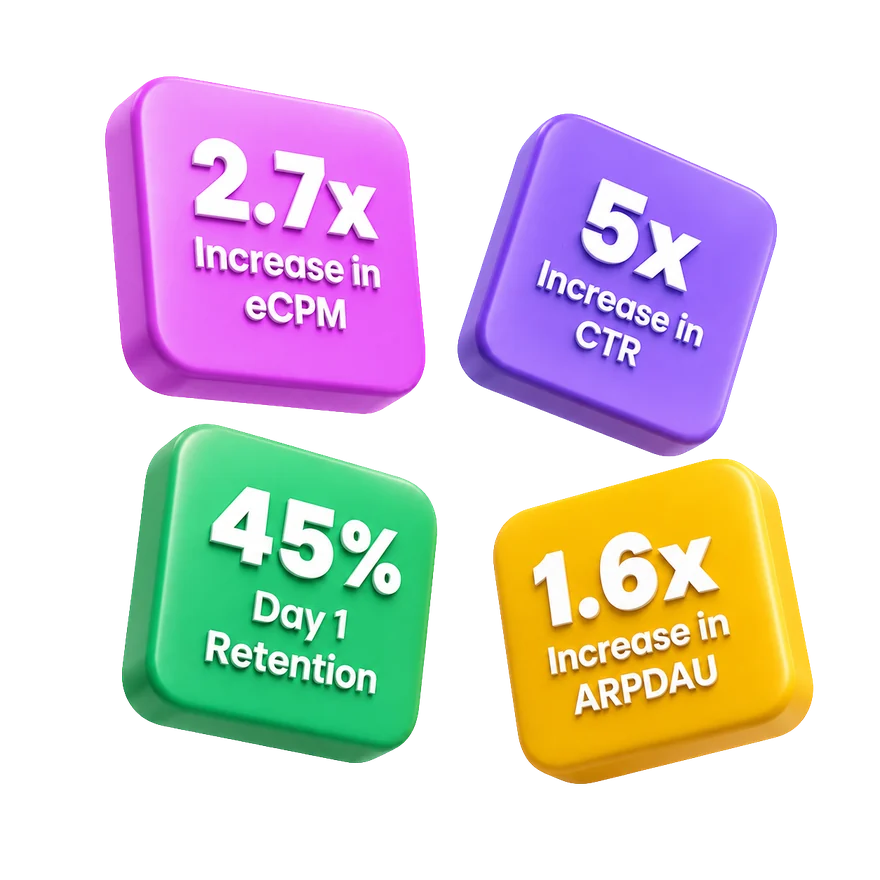
2.7x
Increase in eCPM
vs. standard ad formats
5x
Increase in CTR
rewarded vs. non-rewarded
1.6x
Increase in ARPDAU
for participating publishers
0%
Day 1 Retention
Source: Mistplay
What's Inside

Rewarded Playtime Handbook


01
1.0

The Rise of Casual and Mid-core Games

Understanding the Mobile Gaming Landscape

The global mobile gaming market hit $159 billion in 2023 and grows roughly 10% per year through 2027. Casual games now account for 38% of mobile game revenue ($28.6 billion), up 8% year over year.
Section 1.1

Why Casual and Mid-core Games Dominate

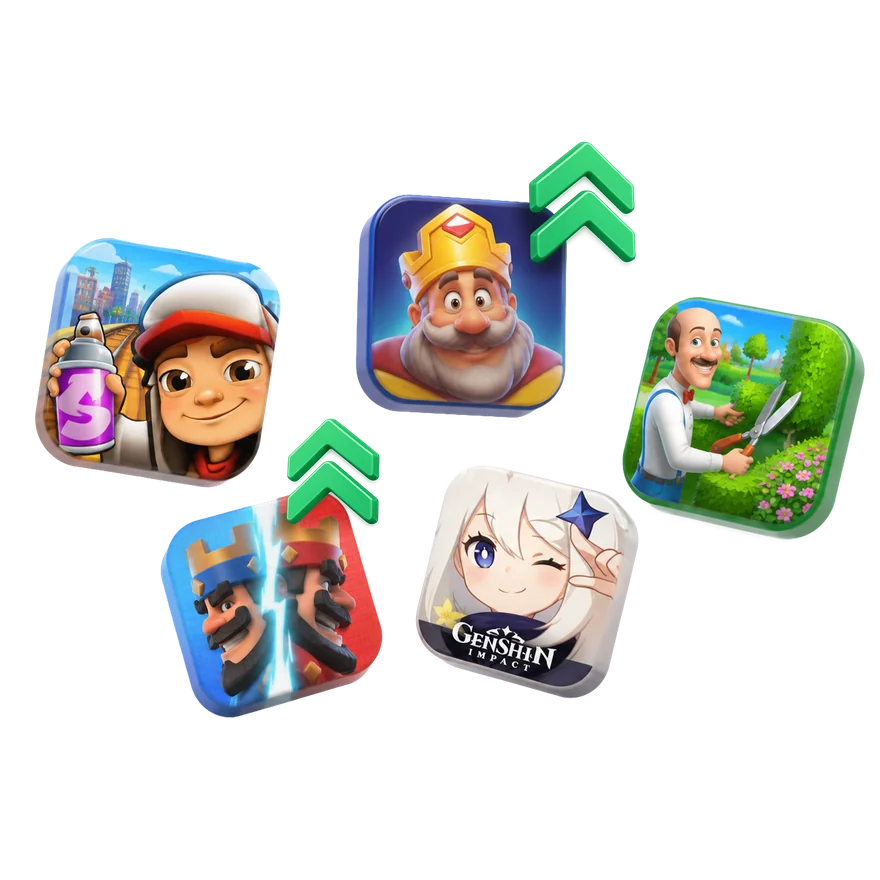
Casual games win on simplicity. Royal Match and Monopoly GO! pull players in with quick sessions and polished visuals. Mid-core titles like Clash Royale go deeper: strategic mechanics, competitive ladders, and session lengths that push past 15 minutes.

$159B

Global Mobile Gaming Market

Projected ~10% annual growth through 2027 (Newzoo)

Revenue Share by Product Model

2020-2023 (Source: Sensor Tower)

02
2.0

Rewarded Playtime: How It Works

The Play-to-Earn Model

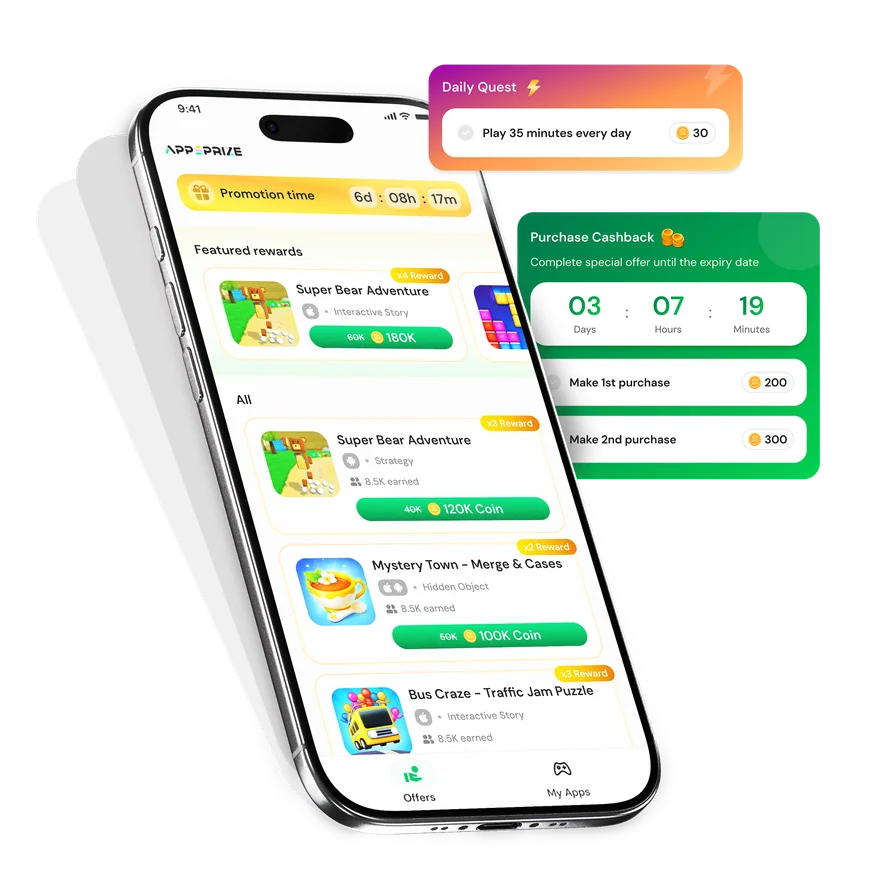
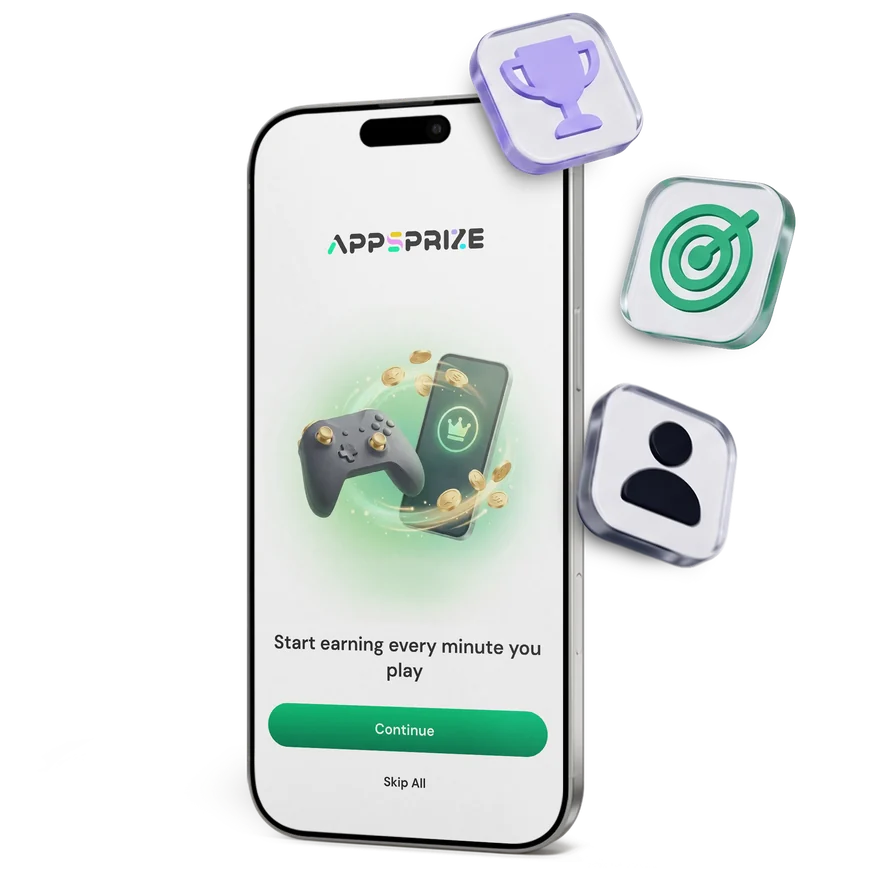
Players earn real money for their time in-game: coupons, gift cards, or cash. Rewards trigger on milestones, level completions, or accumulated playtime, turning engagement into a direct value exchange.

Time-Based Rewards

Players earn coins or points per minute of gameplay. More time in-game means more earned value, compounding session length.

Milestone Achievements

Hitting in-game milestones triggers bonus payouts, pulling players further into the game's progression systems.

Real-World Redemption

Earned points convert to gift cards, cash, or coupons. Real monetary value drives word-of-mouth and sets rewarded playtime apart from ad-only models.

🔒

Unlock the Full Rewarded Playtime Handbook

Continue reading for mobile gaming trends, campaign best practices, KPI measurement frameworks, and future predictions from industry leaders.

No spam. Instant access. Unsubscribe anytime.

03
3.0

Mobile Gaming Trends and Rewarded Playtime

The Rising Importance of In-App Purchases

Mobile gaming monetization has moved from ad-only revenue to hybrid models that mix advertising, IAPs, and subscriptions. Rewarded Playtime sits at that intersection.
Mert Simsek

IAPs have become even more important for hypercasual game publishers, offering a more reliable revenue stream. By partnering with reputable incentivized UA platforms, we can reach a wider audience and attract players more likely to make in-app purchases.

Mert Simsek, Co-founder & CMO at APPS

How Casual Games Monetize

Revenue breakdown by monetization type (Source: Statista, 2023)
Advertiser Data

Data Surrounding Rewarded Playtime

76%

Completed Multiple In-Game Tasks

From AppSamurai Rewarded Playtime campaign data

24%

Uplift in D2 Retention

Observed in Rewarded Playtime campaigns

Loyalty Program Impact

79% of players not only take part in loyalty programs but also spend more in-game in exchange for extra points or monetary rewards (51%). (Source: Mistplay)

Peggy Anne Salz

Signal loss, rising CPIs, and the reality that traditional UA channels alone no longer cut it are driving a shift from high-volume user acquisition to high-value player experiences. Marketers who diversify channels and explore alternatives like rewarded ads will achieve sustainable growth.

Peggy Anne Salz, Mobile Analyst & Content Marketing Strategist


04
4.0

Best Practices & Campaign Strategy

Designing Rewarded Playtime Experiences

A Rewarded Playtime campaign that performs needs three things: clear goals, a well-defined audience, and ongoing optimization of reward types, segments, and competitive positioning.

Uninterrupted UX

Players opt in voluntarily, so rewards fit naturally into gameplay. No interruptions means longer sessions and higher satisfaction.

Tiered Reward System

Start with small rewards for early achievements and scale up at major milestones. Each tier pulls players toward the next, building visible momentum.

Reward Player Investment

Match reward value to player effort. Players who invest more time and skill earn proportionally more, with milestone-based triggers unlocking higher-tier payouts.

Faheem Saiyad

The key to an effective campaign strategy lies in understanding the user journey and delivering value at the right moments. Coupled with thoughtful audience segmentation and ongoing data-driven adjustments, a rewarded playtime campaign can drive higher session time, increase retention and LTVs, and deliver a higher overall ROAS.

Faheem Saiyad, Director at AppSamurai

Campaign Strategy Pillars

Campaign Goals & Objectives

Set specific objectives guiding design and execution. Retention campaigns prioritize daily logins; IAP campaigns offer incentives for purchases during the campaign period.

Target Audience

Identify demographics, playtime patterns, and spending habits. Newer players respond to smaller, frequent rewards; seasoned players prefer larger milestone-based incentives.

Reward Optimization

A/B test different reward types and values. Compare digital gift cards vs. cash-back rewards, and measure which drives higher engagement and ROAS.

Competitive Analysis

Monitor competitor reward strategies and player responses. If a competitor has high-value rewards but complex redemption, offer similar rewards with a simpler claim process.


05
5.0

Measuring and Analyzing Performance

Key Performance Indicators (KPIs)

The right metrics tell you what's working and what's burning budget. Growth teams that track these KPIs can tune campaigns in near-real-time.
👥

Player Engagement

Session length, DAU, WAU. An increase in session length indicates players are more immersed due to rewards.

💰

Lifetime Value (LTV)

Average revenue generated per player over the entire engagement period. An LTV increase signals sustained interaction and in-app purchases.

📈

Retention Rates

D1, D7, D30 retention. High retention rates suggest the Rewarded Playtime model is effectively encouraging players to return.

💸

Return on Ad Spend

ROAS measures profitability by comparing revenue generated to ad spend. Identify which campaigns and reward structures are most profitable.

🏆

Event Completion

Track how Rewarded Playtime influences player progression through specific in-game events and milestones.


06
6.0

Future Trends in Rewarded Playtime

Emerging Technologies and Innovations

AI and predictive analytics are already changing how Rewarded Playtime campaigns target, personalize, and optimize in real time.

AI-Personalized Ads

Predictive models will analyze player data to forecast preferences and behavior, placing ads where they convert, not just where they're visible.

Predictive Analytics

AI can spot disengagement signals before they surface, flagging at-risk players and adjusting rewards to pull them back before they churn.

Regulatory Landscape

Data privacy regulations keep tightening. Rewarded Playtime's opt-in model has a built-in edge: players voluntarily participate, putting it on solid ground under GDPR and ATT.

Higher Reward Values

As competition heats up, reward values will climb. Publishers who offer more tangible value per session will win the attention war.

Frequently Asked Questions

What is Rewarded Playtime?+
Rewarded Playtime is a user acquisition and engagement model where players receive real-world monetary rewards (coupons, gift cards, or cash) for their time spent playing mobile games. Unlike traditional install-focused models, it incentivizes sustained engagement and deeper funnel events.
How does Rewarded Playtime differ from rewarded video ads?+
Rewarded video ads give users a small in-game bonus for watching a short ad. Rewarded Playtime goes further by rewarding actual gameplay time and milestone achievements with real-world value, driving higher retention and LTV.
What metrics should I track for Rewarded Playtime campaigns?+
Track player engagement (DAU, session length), lifetime value (LTV), retention rates (D1, D7, D30), return on ad spend (ROAS), and event completion rates. Together, these five metrics show whether a campaign is profitable and sustainable.
Is Rewarded Playtime only for gaming apps?+
It started in gaming, but the model works wherever sustained engagement matters: fintech, e-commerce, streaming, and utility apps all run rewarded engagement campaigns today.

Ready to Launch a Rewarded Playtime Campaign?

Our growth team has scaled 500+ apps with rewarded UA. Tell us your game, and we'll design a campaign strategy around it.

Talk to Our Growth Team →

Get the full Rewarded Playtime Handbook